Infusing vinegar is an easy, safe, and fun way to preserve foraged items for future use. It also draws flavor from materials that you couldn't otherwise eat, perhaps because they are too tough or fibrous. Pine needles are a perfect example! You probably wouldn't want to eat them straight off the tree, but the citrusy, resinous flavor is an excellent addition to salad dressings, drinks, marinades, soups, and more. Furthermore, pine needles are high in vitamins A and C, and prevent and treat coughs and colds. But before we get into the infusion process, let's learn how to identify and find pine trees.
Read MoreYew (Taxus spp.) is a good example of why eating samples of unknown plants is not always a safe practice. This shrub is commonly planted in front of houses, apartments, and businesses; however, nearly every part of the plant is extremely toxic. Just a few berries can lead to serious poisoning or even death. But don't let that scare you away from wild edibles! Yew is easy to differentiate from edible evergreens, as long as you pay attention to key identification features.
Read MoreSorry for the lack of posts here! I have been super busy lately, mainly because of the approaching holiday season. I will post here sporadically as I am able, but will return to regular posts after New Year's!
Thanks,
Maria
Read MoreHello All!
I've decided I'm going to take a short break from writing blog posts while I work on my Indiegogo campaign. I have so much to do and feel swamped, and unfortunately that means this blog is going to be on hold for a while. But I will return in October! Never you fear!
Thanks,
Maria
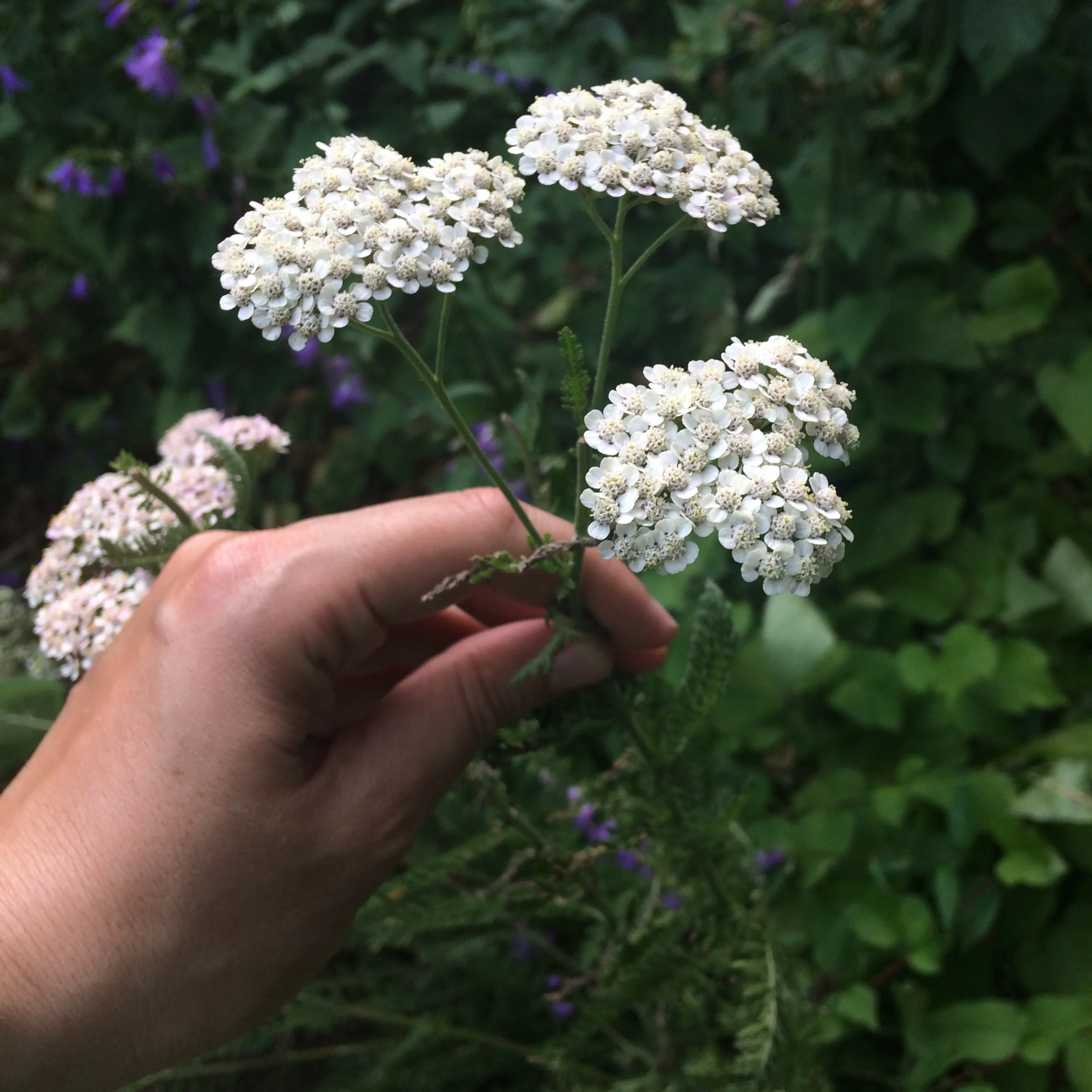
Read MoreIt is no understatement when I say that yarrow (Achillea millefolium) is one of my all-time favorite herbs. Over the years, I've used it for many purposes: healing wounds, fighting infections, breaking fevers, aiding digestion, easing painful menstruation, and more. It's a common plant that's easy to find in rural and urban environments-- a gift of healing that's free for the picking!
Read MoreOkay, so I know that plums aren't technically a wild food. But there is such a thing as wild plums (Prunus nigra and Prunus americana), and they will be in season soon in the Twin Cities area! Also, I tend to lump gleaning in with foraging. ("Gleaning" is the act of harvesting leftover or second-rate fruits or vegetables from farms or gardens.) And I gleaned these plums from my friends' yard! Furthermore, domesticated plants often grow feral in fields and forests: apples, asparagus, pears, and parsnips are commonly found in the wild. Finally, I think it's silly not to take advantage of an abundant food source strictly because it isn't wild. Falling fruits abound both in urban and rural environments, and I love harvesting them, eating them, and getting other people excited about them! So here you are-- a plum recipe!
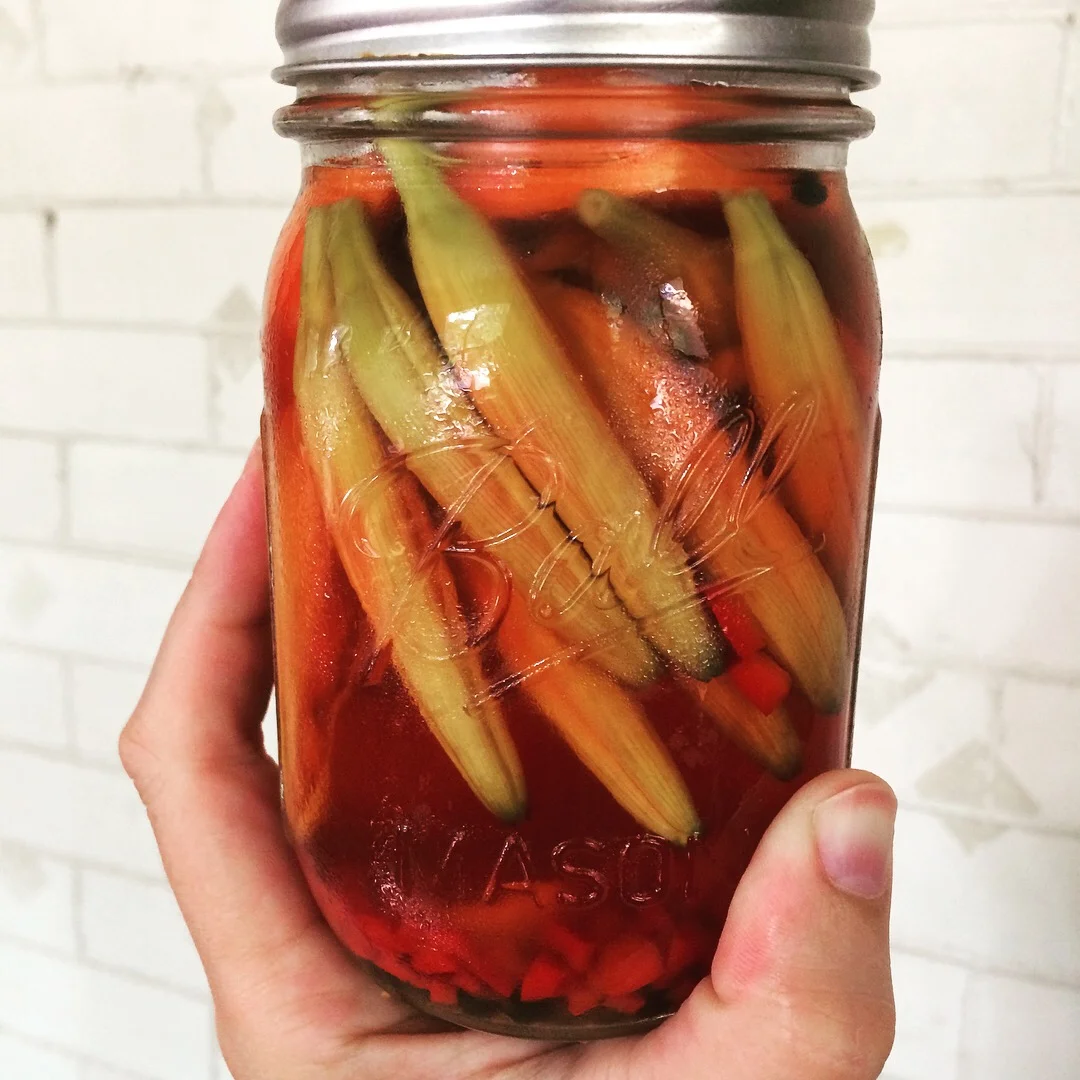
Read MoreI love, love, love pickles! But my biggest pickle pet peeve is when they are mushy. I want a pickle that has a crisp texture. That's why I tend toward making refrigerator pickles. They are quick, easy, and since they require no boiling, they come out crisp every time!
Read MoreIn case you missed it, I recently wrote a blog post called Berries Galore, in which I discussed various ways to cook and bake with berries. Among other things, I included directions on making berry-infused vinegar. Well, my red raspberry vinegar is complete, so here are some recipes!
Read MorePretty much everyone knows that red raspberries are edible and choice. But it's not as commonly known that the leaves are medicinal and make a great tea! Some of you have probably seen raspberry leaf sold in co-ops and specialty stores. But why pay $5 for a box of tea when you can pick them for free? Read on to learn how to identify red raspberry bushes before they flower.
Read More